
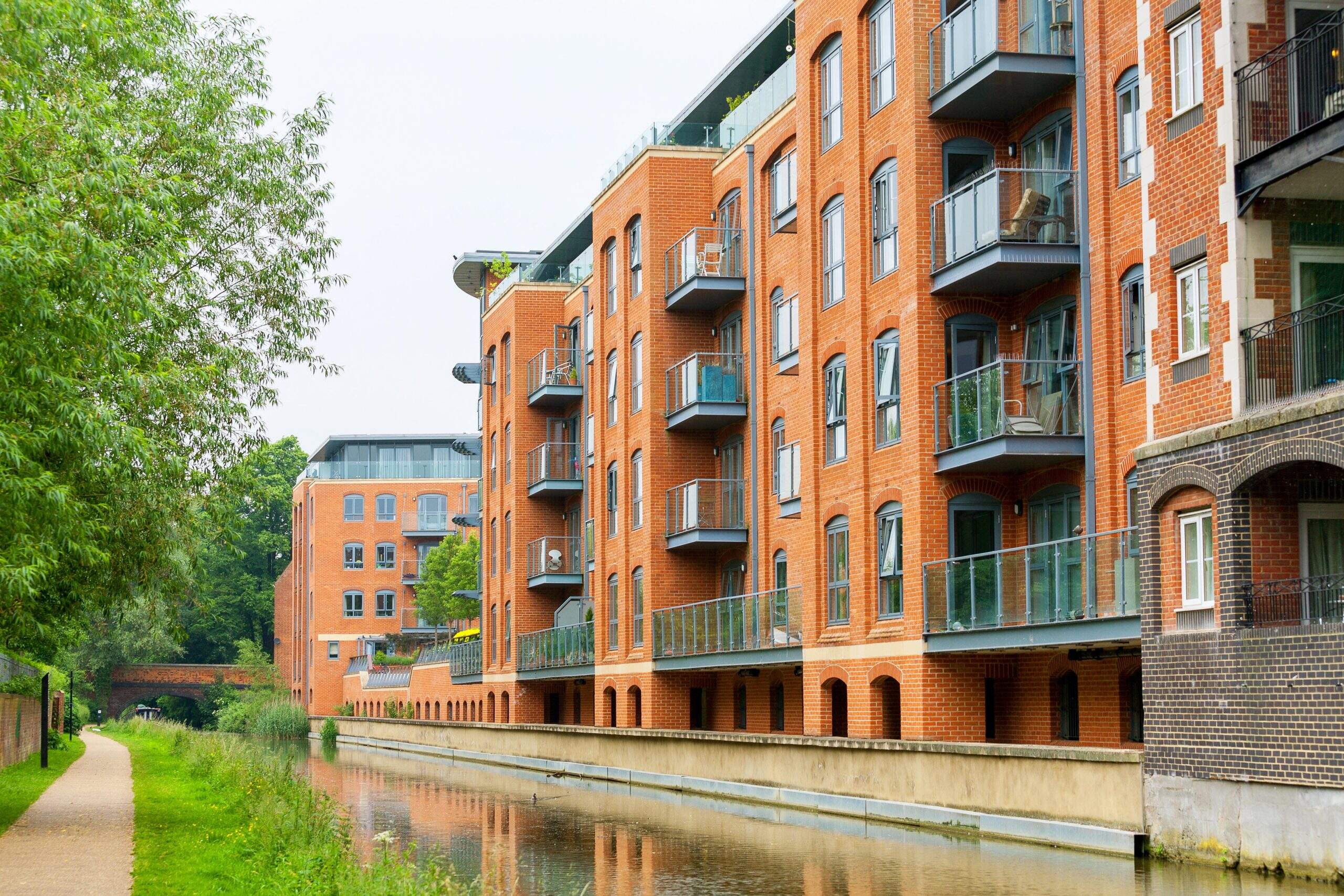
Collective enfranchisement allows qualifying leaseholders in a block of flats to join together and purchase the freehold of their building. Done well, it empowers residents to modernise leases, secure long terms (often up to 999 years) and manage their building in a way that reflects their priorities. This guide, created by Katherine Thorpe, one of our enfranchisement lawyers, sets out the eligibility, preparation, professional appointments, and the formal notice process for collective enfranchisement, so you can start the claim with confidence.
1. Confirm Eligibility Early
Before you organise a group or commit funds, check that both the building and the leaseholders qualify under the Leasehold Reform, Housing and Urban Development Act 1993 (LRHUDA 1993). Key points include:
- Building Test: The premises must be a self-contained building or part of one with at least two flats, and no more than 25% of internal floor area in non-residential use (e.g shops/ offices).
- Leaseholder Test: At least two thirds of the flats must be held by qualifying tenants (long leases granted for more than a term of 21 years when first granted).
- Participation Threshold: At least 50% of the qualifying flats must participate in the claim (if there are only two flats, both must participate).
- Exclusions: Certain premises are excluded (e.g., National Trust properties and some Crown land), and there is a resident freeholder exemption for small conversions (four or fewer flats) where the freeholder has lived in the building and owned the freehold since before conversion.
- Ownership Cap: A person who holds more than two qualifying leases in the same building is excluded from being a qualifying tenant for enfranchisement purposes.
If you are uncertain on any point, seek advice as small eligibility errors can derail a claim at a later stage.
2. Organise Your Group and Plan Funding
Successful claims start with good organisation:
- Engage Neighbours: Explain the benefits, timeframes, and costs. Aim to exceed the 50% threshold to build resilience.
- Participating Agreement: Put a simple contract in place setting out voting rights, contributions, and decision making rules. It keeps momentum, prevents disputes, and can cover post completion actions (e.g granting new leases).
- Create a cost fund: Establish a pot to cover early steps such as valuation, title information, company formation, and notice drafting.
3. Appoint the Right Professionals
Collective enfranchisement is technical and deadline driven. The best way forward is to instruct:
- A specialist enfranchisement solicitor to manage eligibility checks, information notices, company setup, the Section 13 Initial Notice, negotiations, and conveyancing.
- An experienced valuer to provide best and worst case premium estimates and to negotiate the premium (premiums are calculated under statutory formulae; exact figures are rarely known upfront).
4. Set Up the Nominee Purchaser
You’ll need a named Nominee Purchaser in your Initial Notice, which is often a company owned by participating leaseholders. Form the vehicle company before serving notice and agree how shares/ membership will be allocated among participants.
5. Gather the Right Information
Accuracy in your Initial Notice depends on thorough information:
- Identify the freeholder and any intermediate landlords: Your ground rent/ service charge demands should note your freeholder and their address for service, and you can confirm ownership through Land Registry. You can also service information notices to obtain details of superior interests and copies of relevant documents.
- Compile lease and title data for all participating flats (names, addresses, lease terms), and list any appurtenant property (e.g., garages, gardens) or common parts to be included in the acquisition.
6. Serve the Section 13 Initial Notice (and Register It)
Your solicitor will draft and serve the Initial Notice under Section 13 LRHUDA 1993, setting the valuation date and formally starting the process. The notice typically includes:
- A plan of the premises and any appurtenant/ common property;
- Grounds for qualification;
- The proposed premium;
- Details of qualifying tenants;
- The Nominee Purchaser’s details;
- Any mandatory leasebacks; and
- The date by which the freeholder must respond (at least two months from service).
You should register the Section 13 Notice at the Land Registry to protect the claim.
7. After Notice: Evidence, Access, and Counter Notice
Once served:
- The freeholder can request evidence of title from participants (usually official Land Registry copies) within 21 days and may inspect flats with 10 days’ notice.
- The freeholder’s Section 21 Counter Notice will admit or dispute entitlement and set out counterproposals on price and terms. If agreement is not reached, the matter can be referred to the First tier Tribunal (Property Chamber) for determination.
If the landlord does not reply to the Section 13 Notice, you may apply for a vesting order via the county court.
8. Timeframes and Costs – Be Realistic
Typical duration is 6-12 months, longer if there are complex title issues or valuation disputes. Participating leaseholders are liable for their own professional fees and the landlord’s reasonable legal and valuation costs from service of the Initial Notice, whether you complete or not. Budget accordingly.
9. Management After Completion
Collective enfranchisement gives leaseholders a greater say in how the building is managed. Many groups choose to appoint or retain professional managing agents, and many agents appointed by freeholders deliver excellent service. The advantage post enfranchisement is simply greater alignment: leaseholders can set priorities, plan long term maintenance, and ensure transparent budgeting. The right outcome may be continuity with your existing agent or selecting a new one that suits your building’s goals.
Collective Enfranchisement FAQs
- Who qualifies as a ‘qualifying tenant’?
Generally, a lease originally granted for more than 21 years qualifies. Certain categories (e.g., business tenancies, charitable housing trust leases) are excluded, and one person cannot count more than once per flat. Owning more than two qualifying flats in the same building excludes you. - What is the first formal step?
Serving the Section 13 Initial Notice. It starts the statutory timetable and fixes the valuation date used to assess the premium. - What if the freeholder disputes the claim or premium?
You continue negotiations. If terms are not agreed, the Tribunal can decide terms of the acquisition. - Do we need a company?
In most cases a company is set up as Nominee Purchaser to own the freehold interest and facilitate management post completion. Setting up a company allows each leaseholder to hold a share in the company, which can be easily transferred upon sale without the need to update the freehold title.
If you and your fellow leaseholders are ready to start, Brady Solicitors can guide you through each step – eligibility checks, valuation strategy, company formation, drafting and serving the Section 13 notice, negotiations, and completion. Our enfranchisement team will keep the process organised, deadlines met, and costs controlled.
Ready to proceed? Speak to Katherine Thorpe and the Brady Solicitors enfranchisement team to begin your collect freehold purchase with confidence.